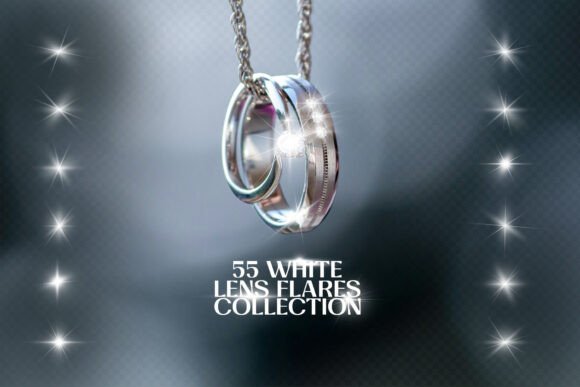
55 Minimalist White Lens Effects: A Designer's Toolkit
In the fast-paced world of digital content, capturing attention requires more than just good photography or solid copywriting. It demands a specific kind of visual polish that signals quality and professionalism instantly. If you have ever struggled to add that final layer of depth or futuristic flair to your compositions, you know how difficult it can be to find assets that look high-end without overwhelming your primary subject. This is where the 55 Minimalist White Lens Effects collection steps in, offering a refined solution for creatives who need to add sophistication to their projects quickly.
The Anatomy of a Modern Light Effect
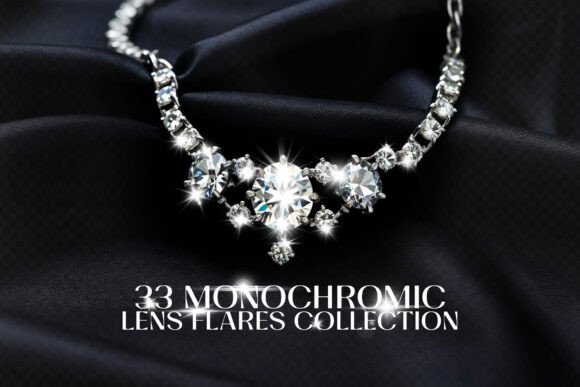
Before diving into the technical specifications, it helps to understand the visual personality of this collection. We aren't talking about the chaotic, lens-flare explosions seen in 90s action movies. The 55 Minimalist White Lens Effects are built on a foundation of restraint and elegance. Each asset features radiant light effects paired with concentric gradients. This creates a look that is sleek, modern, and undeniably cinematic.
The "minimalist" label is key here. These effects are designed to complement your work, not compete with it. The white color palette ensures versatility; it blends seamlessly into light or dark backgrounds, offering a neutral tone that fits almost any brand identity. Whether you are building a sci-fi interface for a video game or designing a clean, high-fashion advertisement, these reflections provide the necessary depth. They mimic the way light interacts with high-quality glass and optics, adding a layer of realism that flat graphic design often lacks. The result is a polished, futuristic aesthetic that feels premium and intentional.
Practical Applications Across Industries
The true value of any design asset lies in its versatility. You don't want a one-trick pony that sits in your folder unused after one project. The 55 Minimalist White Lens Effects are surprisingly adaptable, fitting into a wide range of creative workflows.
For graphic designers and brand strategists, these assets are invaluable for creating hero images. Imagine a landing page for a tech startup or a luxury product. Placing one of these effects in the background or behind a logo can instantly elevate the perception of the brand, suggesting innovation and clarity. It works exceptionally well for packaging design where you need the product to look "magical" or distinct on the shelf.
Video editors and motion graphic artists will find these particularly useful for transitions and overlays. In video editing, a subtle lens effect can bridge two clips or emphasize a key moment in a commercial. Because the collection includes 55 distinct variations, you have enough variety to keep your visual language fresh across a long-form video or a series of social media posts.
Even content creators and bloggers can utilize these effects to upgrade their social media graphics. A standard photo can look generic, but adding a minimalist white lens reflection transforms it into a piece of digital art. It is a quick way to make Instagram stories, YouTube thumbnails, or Pinterest pins look cohesive and professionally produced.
Technical Flexibility: PSD and PNG
A major pain point for designers is the lack of customization in stock assets. Often, you download a JPEG or a flattened PNG, and you are stuck with exactly what you get. This collection solves that issue by including fully layered PSD files. This means you have complete control over the design assets. You can adjust the opacity, change the blend modes, or even modify the gradients to match the specific lighting of your project.
The package includes 55 PNG files for those moments when you need to work quickly—simply drag and drop them onto your canvas. However, the inclusion of five organized PSD files ensures that for your high-stakes projects, such as corporate brand identity work or detailed digital art, you can fine-tune every aspect of the effect. The high resolution ensures that whether you are working on a massive print banner or a small web icon, the lines remain sharp and crystal-clear.
Integrating Effects into Your Visual Hierarchy
When incorporating any new element into your designs, the goal is to enhance the visual hierarchy. You want to guide the viewer's eye to the most important information. A common mistake is to overuse lens effects, which can clutter the composition and reduce readability.
Think of the 55 Minimalist White Lens Effects as supporting actors, not the lead role. They are best used to frame text, highlight a call-to-action button, or add atmosphere to negative space. For example, if you are designing a poster, you might place a soft gradient effect behind your headline. This creates a subtle separation between the text and the background image, ensuring the message is legible while still looking visually rich.
In web design, these effects can be used to draw attention to specific sections of a page. A subtle glow near a "Sign Up" form can subconsciously draw the user's focus. Because the aesthetic is minimalist, it won't clash with your chosen typeface—whether you are using a modern sans serif font for a clean look or a bold serif font for a more traditional feel.
Choosing the Right Effect for the Job
With 55 options at your disposal, selection can feel overwhelming. My advice is to start by analyzing the mood of your project. Is it energetic and fast-paced? Look for effects with sharper lines and more defined concentric circles. Is it calm and luxurious? Opt for the softer, more diffused gradients within the pack.
It is also worth considering the scale. Some of the Minimalist White Lens Effects work best as massive background elements that span the width of a canvas. Others are tighter, more focused reflections that work well as icons or badges. Don't be afraid to layer them, either. Combining two different effects from the collection at low opacity can create a unique texture that is entirely your own, ensuring your work remains distinct.
Ultimately, this collection is about saving time without sacrificing quality. It bridges the gap between a raw concept and a finished, cinematic product. Whether you are a freelance designer looking to impress a client or a hobbyist wanting to polish your personal projects, these assets provide the professional sheen needed to stand out in a crowded digital landscape.