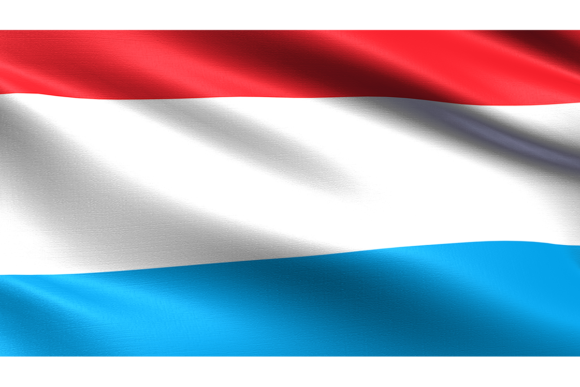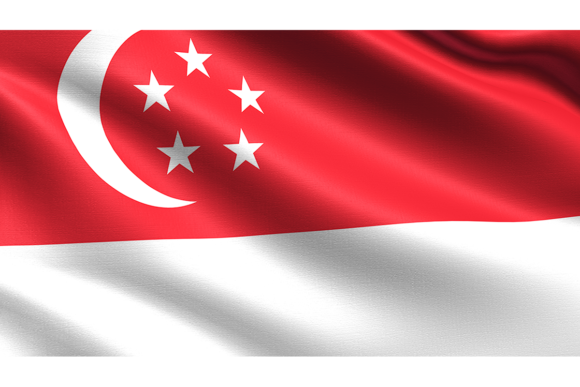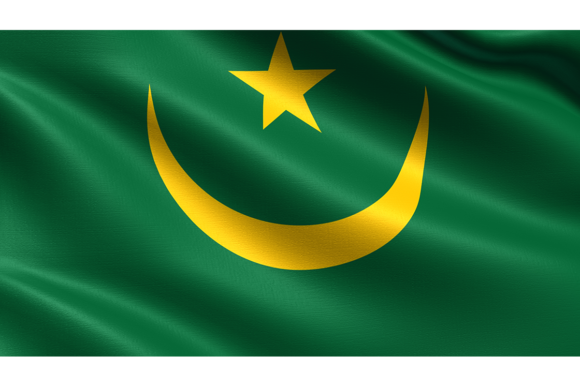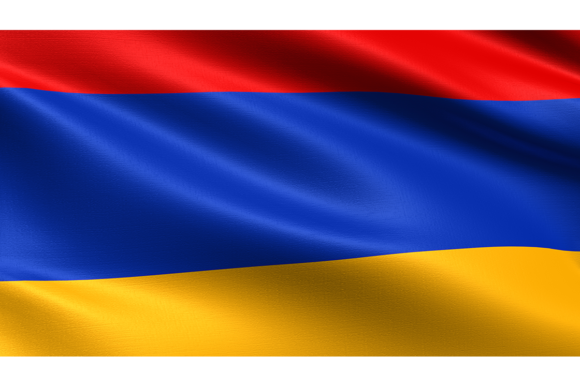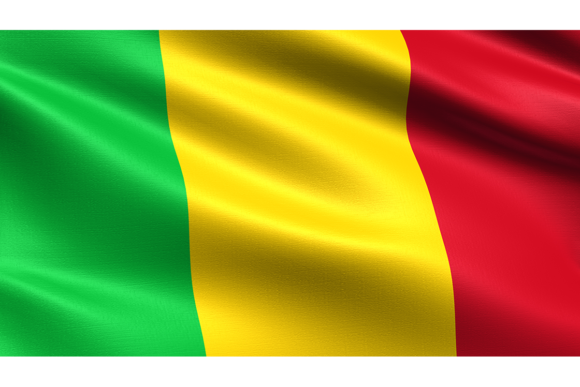
Mali Flag, Waving Fabric Texture: High-Quality Design Asset
In the world of digital content creation and professional branding, the details make the difference. We often spend hours searching for the perfect typography or logo design, but the background elements are just as critical for establishing mood and context. This is where high-fidelity assets come into play. Specifically, the Mali Flag, Waving Fabric Texture offers a unique blend of national pride and artistic realism that can elevate a wide range of projects. It is not just a simple graphic; it is a carefully rendered piece of digital art designed to mimic the physical properties of cloth in motion.
When you first view this asset, the immediate takeaway is the tactile quality. The creators have focused on a realistic flag blowing in the wind effect, utilizing highly detailed fabric texture to create depth. You can almost feel the weight of the material as it ripples. The interplay of light and shadow across the folds of the fabric adds a three-dimensional aspect that flat vector graphics simply cannot achieve. For designers, entrepreneurs, and content creators, understanding how to leverage this specific visual style—combining the symbolism of the Mali flag with a premium font-like attention to detail—is essential for modern storytelling.
The Visual Anatomy of a Waving Flag
Let’s break down what makes the Mali Flag, Waving Fabric Texture a standout resource. At its core, this is an image file formatted as .jpg with a resolution of 3840×2160px. That resolution is crucial. It meets the 4K standard, meaning the image remains crisp even on large displays or when cropped for specific social media graphics. The "waving" aspect is achieved through careful manipulation of highlights and gradients, simulating the way natural light hits a moving surface. This creates a sense of energy and movement, which is vital for grabbing attention in a static medium.
The personality of this asset is patriotic yet versatile. The green, gold, and red vertical stripes of the Mali flag are rendered with high saturation to ensure they pop against various backgrounds. However, because of the fabric texture, the colors feel organic rather than digital. This makes it an excellent background for presentations or motion graphics where a sterile, flat color palette might feel too corporate or cold. It introduces a human element. For a small business owner looking to add a "real world" feel to their digital assets, this texture provides that warmth. It works similarly to a handwritten font or a script font in typography; it adds personality and breaks the monotony of standard, sans-serif digital environments.
Strategic Applications for Creative Professionals
Understanding where to deploy the Mali Flag, Waving Fabric Texture is key to maximizing its impact. This asset is incredibly flexible, fitting into various niches from editorial design to packaging. Here is how different professionals can integrate it into their workflows:
1. Brand Identity and Marketing
For brands with ties to Mali or West Africa, or those celebrating cultural events, this image is a cornerstone of visual identity. It can serve as a hero image for a website header, instantly establishing the context of the brand without a single word of text. In packaging design, a subtle background texture of the waving flag can add a layer of authenticity and quality. It signals to the consumer that the product is rooted in a specific heritage. When used in social media graphics, the movement implied by the waving fabric catches the eye as users scroll, increasing engagement rates compared to static, flat backgrounds.
2. Digital Content and Motion Graphics
The high resolution makes this asset perfect for video editors and motion graphic designers. In a video presentation, a still image can often look out of place. However, a realistic flag blowing in the wind adds a kinetic element that bridges the gap between static slides and video footage. It can be used as a lower-third background or a transition element. Because it is a .jpg, it is lightweight enough for web use but detailed enough for broadcast. This versatility makes it a premium font equivalent for visual backgrounds—it performs well everywhere.
3. Print Documents and Editorial Layouts
When creating brochures, event programs, or posters, the tactile feel of the print is paramount. Using a highly detailed fabric texture mimics the physicality of the printed medium itself. Imagine a brochure for a cultural festival; placing this flag texture behind the event schedule adds a layer of professionalism and thematic consistency. It turns a standard document into a cohesive piece of editorial design. For bloggers and publishers writing about travel, history, or culture, this image serves as a perfect header to break up text and maintain reader interest.
Influence on Audience Perception and Engagement
Visual assets do more than just decorate; they communicate. The use of the Mali Flag, Waving Fabric Texture influences how an audience perceives a brand or message. In the realm of modern typography and design, consistency is king. If your text is clean and professional (perhaps using a high-quality serif font or sans-serif font), your imagery must match that standard. A low-resolution or generic flag image can cheapen the overall look, making a brand appear amateurish. Conversely, a high-fidelity texture signals attention to detail and respect for the subject matter.
This asset also aids in visual hierarchy. By using the flag as a background, you create a distinct layer that separates content from the canvas. This makes text overlays easier to read, provided the text color contrasts well with the flag’s green, gold, and red. For example, white text with a subtle drop shadow often works best over this kind of complex background. The "waving" nature of the flag also directs the viewer's eye. The curves and folds create natural lines that can be used to guide the reader’s gaze toward a headline or a call-to-action button. This is a subtle but effective technique in web design and advertising.
Practical Guidance for Integration and Licensing
Before you drag and drop this asset into your project, a few practical considerations will ensure the best results. First, consider the file format. While .jpg is universally compatible and great for photography-based textures, remember that it does not support transparency. You cannot "cut out" the flag from its background easily without advanced masking. Therefore, plan to use it as a full background or overlay it using blending modes like "Multiply" or "Overlay" in Photoshop to interact with other design assets.
When evaluating project fit, look at your existing color palette. The Mali flag colors are bold. If your brand identity uses pastels or very dark, moody tones, you may need to adjust the opacity of the flag texture or apply a color filter to ensure it doesn't clash. However, if your brand is vibrant and energetic, this asset will fit right in. Think of it like font pairing; you wouldn't pair a heavy blackletter font with a delicate script font without a bridge. Similarly, pair this bold texture with clean, legible typography—such as a modern sans serif—to balance the visual weight.
Finally, always verify the commercial licensing of the asset. While many resources are free for personal use, commercial projects—especially those involving merchandise or large-scale advertising—often require specific clearance. Treating your imagery assets with the same legal diligence as your commercial font licenses protects your business and ensures you are operating within professional standards.
Final Thoughts on Asset Quality
In conclusion, the Mali Flag, Waving Fabric Texture is more than just a picture of a flag. It is a high-resolution, versatile design tool that brings realism and motion to digital and print projects. Whether you are designing a logo, creating a presentation, or crafting social media content, the combination of a realistic waving effect and a detailed fabric texture provides a professional edge. By integrating this asset thoughtfully, respecting its visual weight, and pairing it with appropriate typography, you can significantly enhance your project's visual hierarchy and audience engagement. It stands as a testament to how powerful high-quality design assets are in the modern creative landscape.