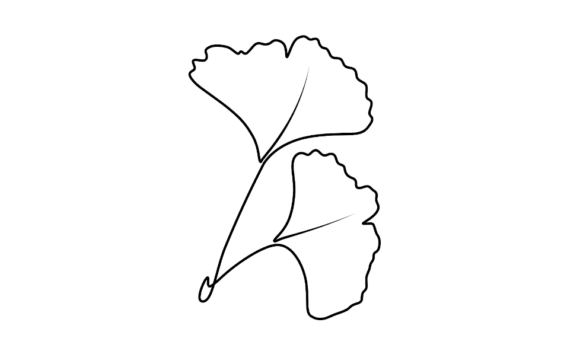
The Elegant Motion of Ginko Leaf Animation
There’s a particular challenge in capturing the organic grace of nature within the rigid pixels of a screen. We often see nature-themed designs that feel static or overly literal, lacking the breath and movement of the real thing. This is where Ginko Leaf Animation steps in, offering a fascinating intersection of botanical illustration and modern kinetic art. It isn’t just a static image of a leaf; it is a celebration of the Ginkgo Biloba’s unique form, brought to life through the fluidity of continuous line drawing and high-fidelity motion graphics. For designers, content creators, and brand strategists looking to inject a sense of sophisticated vitality into their work, this style represents a new frontier of visual storytelling.
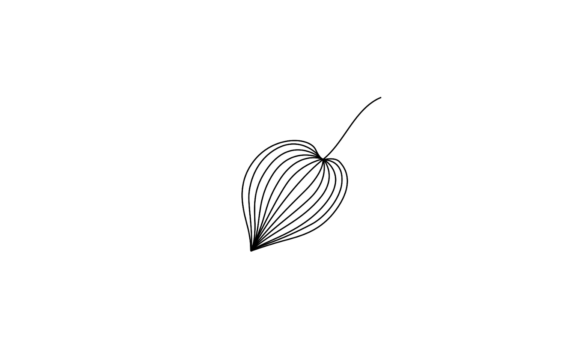
At its core, the design philosophy behind Ginko Leaf Animation relies on the "one-line" aesthetic. You know the feeling—you place your pen on paper and don’t lift it until the image is complete. When translated into motion graphics, this creates an enthralling visual narrative. The viewer watches the leaf come into existence, the line twisting and turning to form those iconic fan-shaped lobes without ever breaking the connection. In 4K resolution, the texture of the line work and the smoothness of the movement are palpable. It transforms a simple botanical subject into a mesmerizing work of digital art, blending the delicacy of a sketch with the punch of animation.
Visual Characteristics and Artistic Personality
Understanding the personality of this aesthetic is key to using it effectively. The Ginkgo leaf is ancient, resilient, and distinctively elegant. It doesn't have the sharp angles of an oak or the jagged edges of a maple; instead, it offers soft curves and a fan-like spread. Ginko Leaf Animation leverages this natural geometry to create a feeling of calm sophistication.
The visual style is characterized by high contrast—often a stark, crisp line against a muted or dark background to emphasize the "white glove" elegance of the motion. Because it utilizes continuous line drawing, there is an inherent imperfection to it that feels human and approachable, yet the motion graphics aspect ensures the timing and pacing feel polished and professional. It strikes a balance between handwritten authenticity and digital precision. This makes it a powerful creative font alternative for projects that need to convey movement and life without relying on static typography or generic stock footage.
Strategic Applications in Branding and Marketing
For entrepreneurs and marketers, the utility of Ginko Leaf Animation extends far beyond mere decoration. In a digital landscape crowded with static images and auto-playing videos, subtle, looping animations capture attention effectively. They don't scream for attention; they invite it.
- Social Media and Web Design: As a background loop for a website hero section or a subtle accent in an Instagram story, the animation adds a layer of depth. It works beautifully for wellness brands, high-end cosmetics, sustainable fashion, or architectural firms that want to signal "organic modernism." It acts as a dynamic texture that supports the brand identity without overwhelming the message.
- Logo Design and Brand Assets: While you wouldn't use an animation as a static logo, the continuous line style can be extracted to create unique brand assets. Imagine the animated leaf used as a loading icon, a "swipe up" indicator, or a watermark on video content. It reinforces brand recognition through movement.
- Presentation and Editorial Design: In editorial design or pitch decks, using this animation as a transitional element between slides can elevate the perceived value of the content. It signals to the viewer that the creator cares about the details, which is a subtle form of E-E-A-T (Experience, Expertise, Authoritativeness, and Trustworthiness).
Integrating Motion into Your Design Workflow
Adopting a motion-first asset like Ginko Leaf Animation requires a shift in how we think about design assets. It’s not just about finding a premium font or a static image; it's about finding elements that behave well over time.
When evaluating if this style fits your project, consider the "tempo" of your brand. If your brand voice is fast-paced, urgent, and loud, a slow, elegant continuous line drawing might feel disjointed. However, if your brand values thoughtfulness, quality, craftsmanship, or nature, this aesthetic is a perfect match. It works exceptionally well for packaging design presentations—imagine a mockup video where the Ginko line draws itself onto the side of a perfume box or a tea tin. It instantly communicates "luxury" and "natural ingredients."
Practical Considerations for Creators
For the hobbyist or crafter, incorporating this style might look like using the animation in a digital planner or as a header for a personal blog. For the professional designer, the considerations are more technical. You need to ensure the animation loops seamlessly if it’s going to run on a website, and you must check the file formats (Lottie, GIF, MP4) to ensure compatibility with your build.
Furthermore, think about font pairing in a broader sense. If you are using this animation as a visual header, the actual text you pair with it needs to be legible and complementary. A clean sans serif font usually pairs best with the organic complexity of the line art, allowing the text to remain readable while the animation provides the artistic flair. Avoid pairing it with overly decorative script fonts or handwritten fonts, as this can create visual chaos where two "voices" are competing for attention.
The Future of Organic Digital Art
We are moving away from the rigid, geometric "tech" aesthetic of the early 2010s and toward a more organic, human-centric digital experience. Ginko Leaf Animation is a prime example of this trend. It bridges the gap between the tactile pleasure of drawing on paper and the limitless possibilities of modern typography and motion graphics.
By utilizing assets like this, you aren't just decorating a page; you are curating an experience. Whether you are a small business owner trying to stand out in a saturated market or a designer building a portfolio that showcases dynamic skills, embracing this blend of nature and technology offers a fresh, elegant solution. It proves that in the world of digital design, sometimes the most effective way to move forward is to look back to the simple, unbroken line.